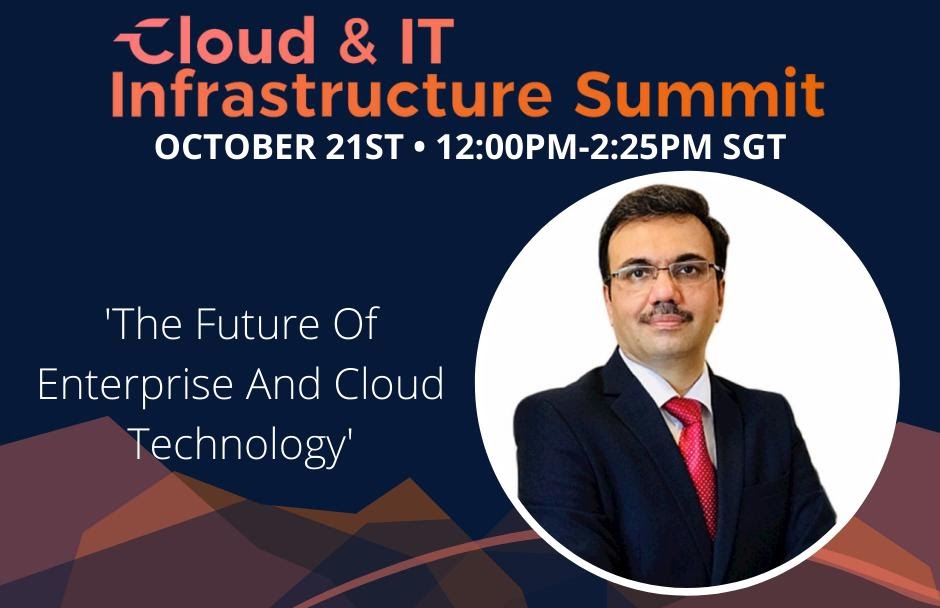
On October 21, 2021, I had the pleasure of delivering a keynote address at the Chief Information Officer (CIO) SEA Online Event, organized by Factor. As enterprises accelerated digitalization to strengthen resilience post-pandemic, I addressed the evolving responsibilities of CIOs as they transition into core business executives and leaders of IT.
The Five Pillars of Digital Complexity
While the opportunities for growth are vast, they are not without significant hurdles. During my keynote, I broke down the five critical challenge areas that modern CIOs must navigate to remain competitive:
1. The Death of ‘Customer Tolerance’
Rising expectations mean consumers now demand personalized, secure, and reliable services. With digitalization lowering switching costs, customer relationships must be managed through insight-driven recommendations. If the solution isn’t competitive or personalized, the boundaryless marketplace makes it easier than ever for users to move to a competitor.
2. The Data Trove Dilemma
The second biggest challenge is the sheer volume of data—both structured and unstructured. Traditional technology cannot analyze this data in real-time to offer meaningful recommendations. Mastering this data is essential for serving the modern consumer effectively.
3. Cloud Rationalization & The ‘Unoptimized’ Cost Trap
Surprisingly, the cloud itself is a challenge. Many companies migrated rapidly during the pandemic without rationalizing their application portfolios. While the cloud offers the flexibility to scale, it also scales the cost for unoptimized code and poorly written systems. Since cloud services charge for compute and network resources on a minute-by-minute basis, the cost to serve customers can shoot up drastically if the technical debt isn’t managed.
4. The Boundaryless Organization
In the post-pandemic era, collaboration has become infinitely more complex. CIOs must manage interconnectivity across:
- Hybrid Systems: Seamless communication between multiple clouds and on-premises infrastructure.
- The Distributed Workforce: Connecting employees working remotely and in-office.
- The Omni-Channel Consumer: Engaging users across digital interfaces and physical footprints, alongside B2B connections with Fintech firms and strategic partners.
5. Multi-Cloud Information Security
With the rise of cloud adoption and digital services, information security has become increasingly complex. Organizations must now safeguard data stored in the cloud, data transmitted through the cloud, and information residing on users’ digital devices. In a hybrid-cloud strategy consisting of core, regional, and on-premises services, the security surface area is vast and requires a holistic, zero-trust approach.
Reflections
The pandemic was a catalyst that shook the enterprise world out of complacency. To stay relevant and grow, IT leaders must re-imagine their roles, evolving from keepers of infrastructure to architects of business value.
At Acuitology, we emphasize that leading a team through transformation requires a blend of technical foresight and strategic empathy. The future belongs to those who can bridge the gap between complex cloud architectures and the human-centric goals of the organization.
“In the post-pandemic era, the CIO is the bridge between technological possibility and business reality. Digital resilience is built when cloud innovation and robust cybersecurity are aligned with a vision for collective organizational success.”